Echoes of Ecrea
System Design RPG
Genre: RPG
Role: System Designer, Game Designer, Technical Writer
Timeframe: 3 Months
Overview
Echoes of Ecrea was a semester-long assignment focused on the system design of a conceptual RPG. I had a lot of fun with this project as I genuinely enjoy designing systems and creating documentation.
Design Process
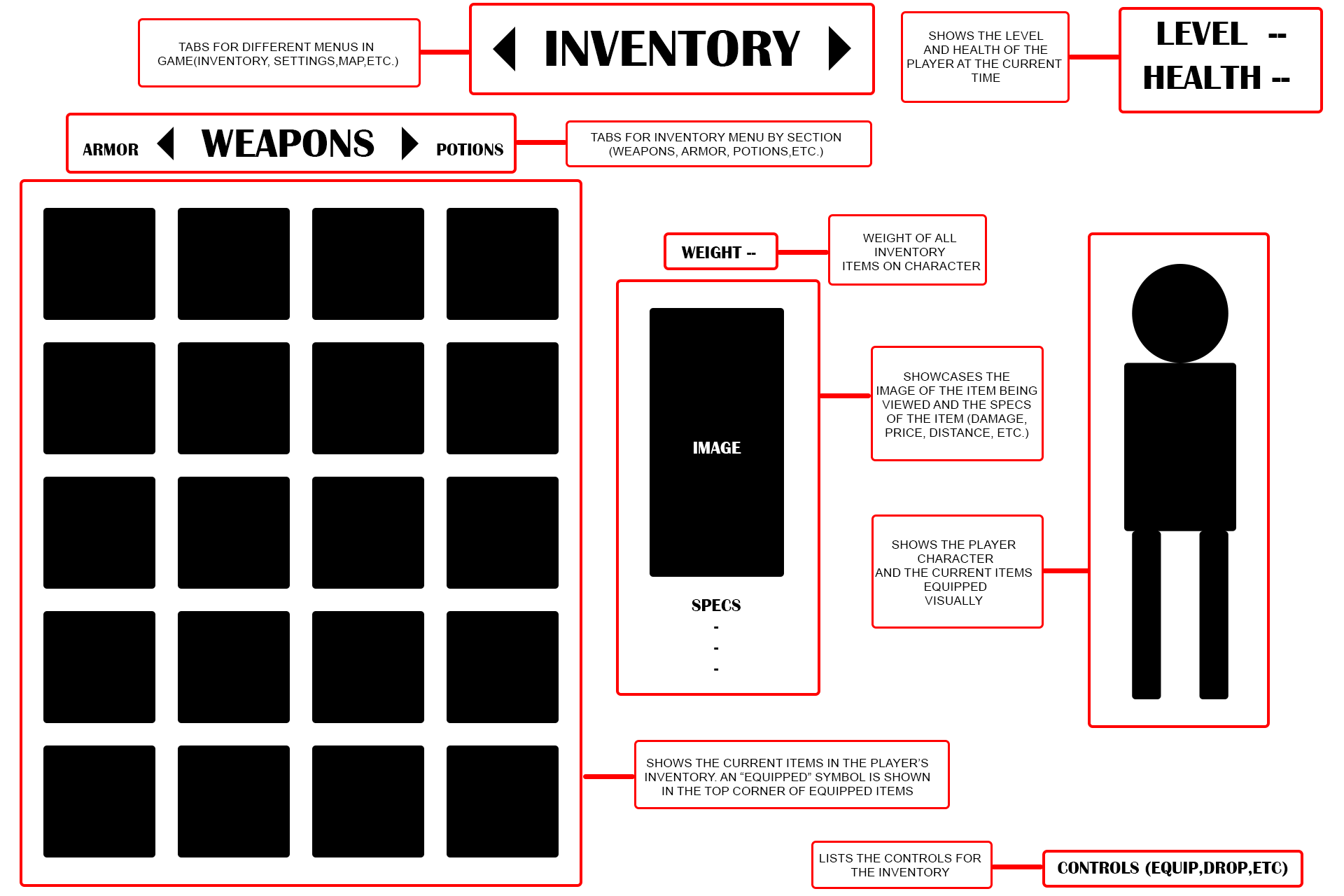
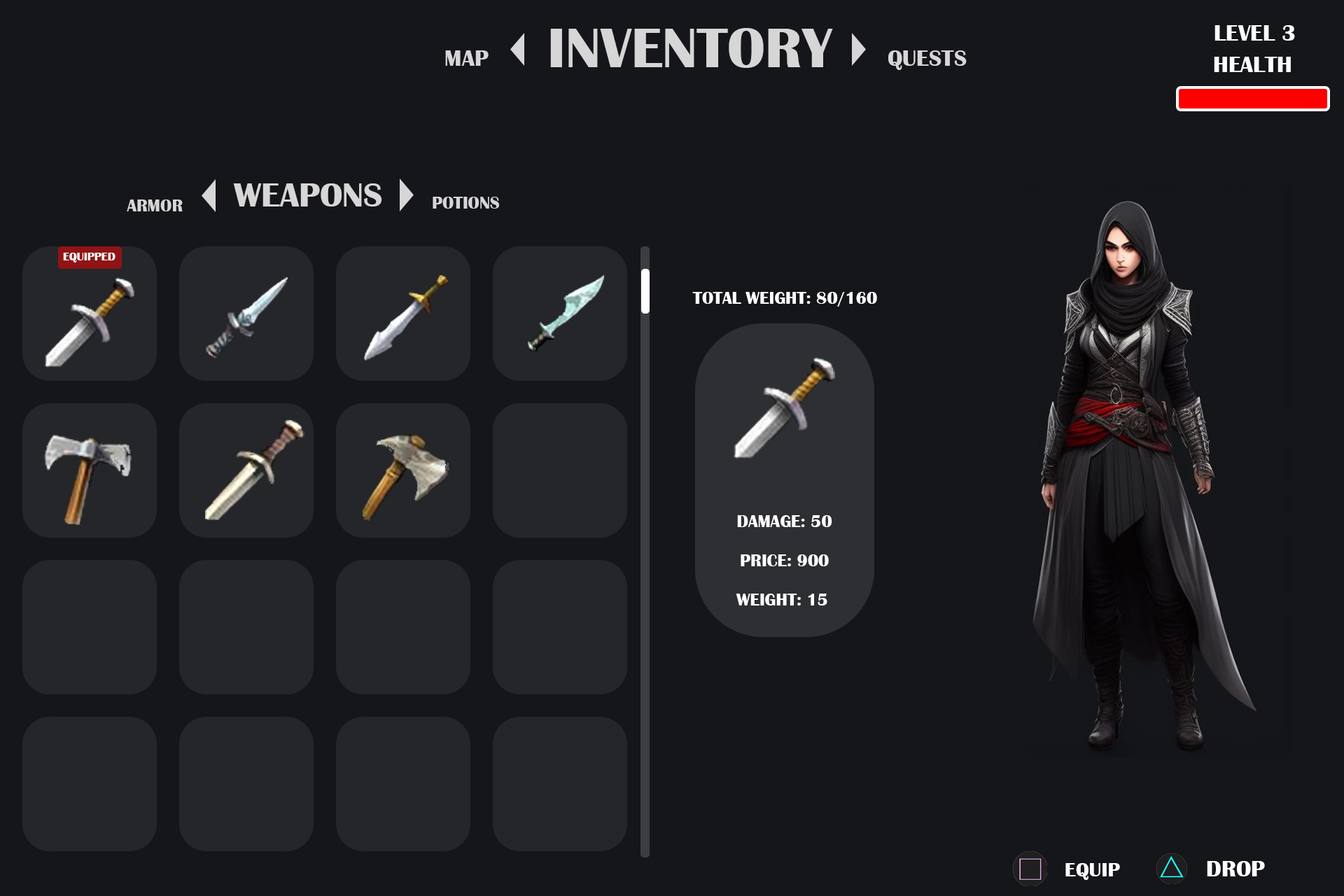
Echoes of Ecrea was a conceptual RPG where I explored deeper systems design through visual mockups and documentation. While this wasn't a fully playable game, my goal was to demonstrate how I'd approach designing complex RPG interfaces—things like inventory systems, skill trees, and a clear gameplay HUD. I started with the inventory wireframe since inventories are essential to the RPG experience. I wanted the inventory to feel intuitive, visually appealing, and practical. The wireframe of the inventory system allowed me to communicate what I was thinking visually well.
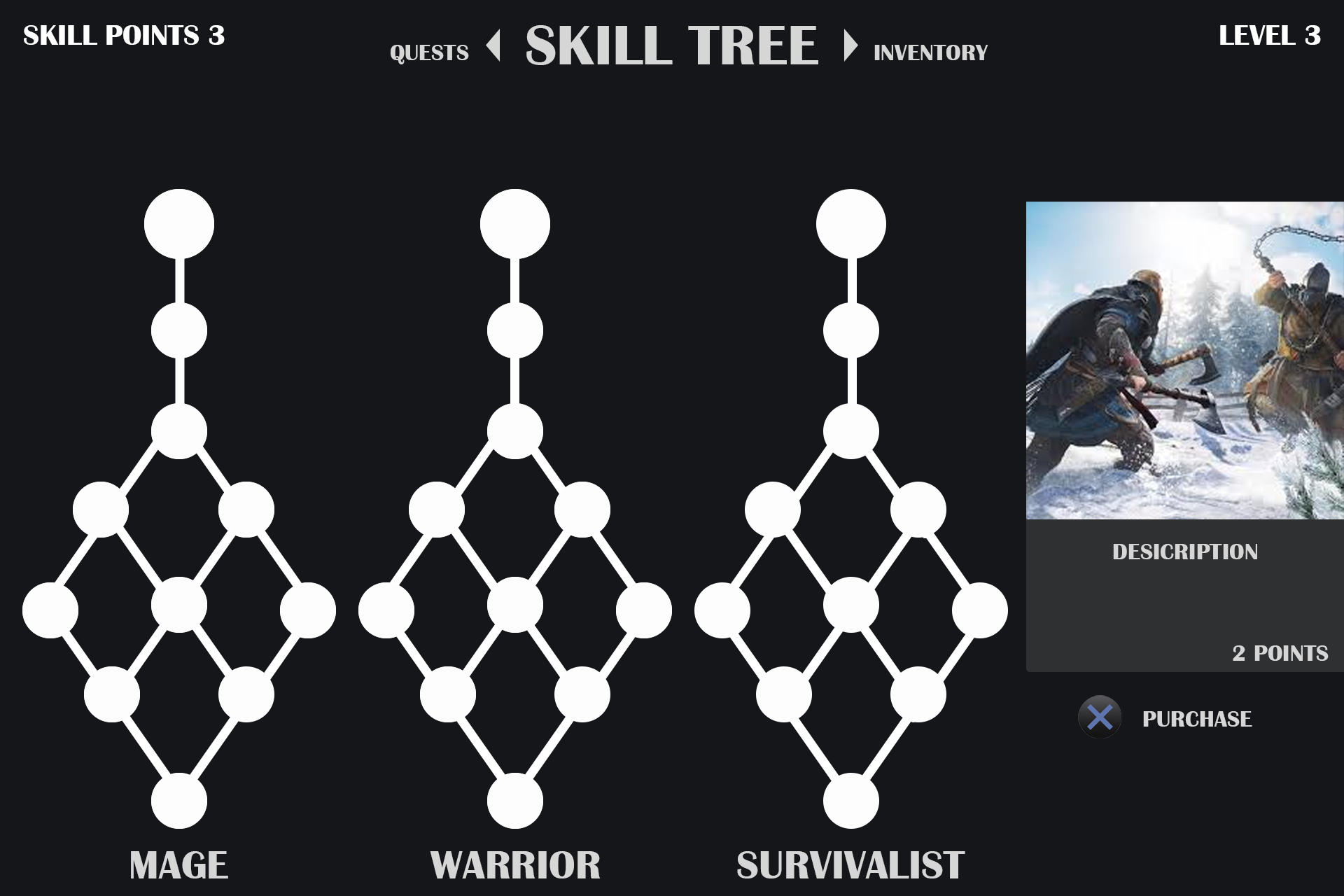
I also began with a simple layout for the skill tree. It was similar to many RPGs I've played, and I took the most inspiration from Horizon Forbidden West's skill trees. The skills incrementally got more substantial as the player acquired more throughout the tree.

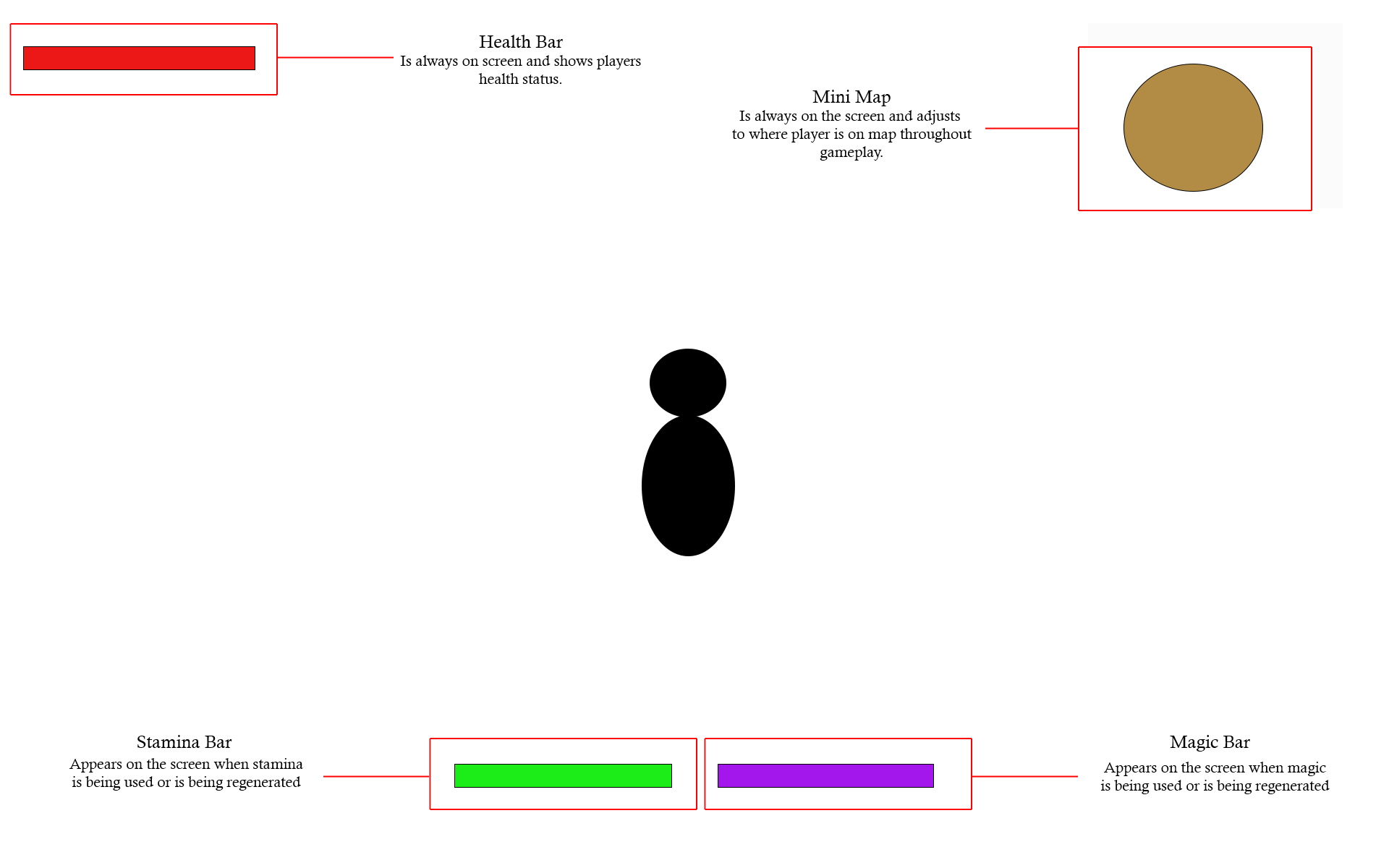
The gameplay HUD mockup tied everything together. A good HUD needs to convey critical information quickly during gameplay without breaking immersion. I carefully thought about placement, readability, and how each UI element could seamlessly blend with the game's visual theme. I used a wireframe again here to communicate how I would design it.
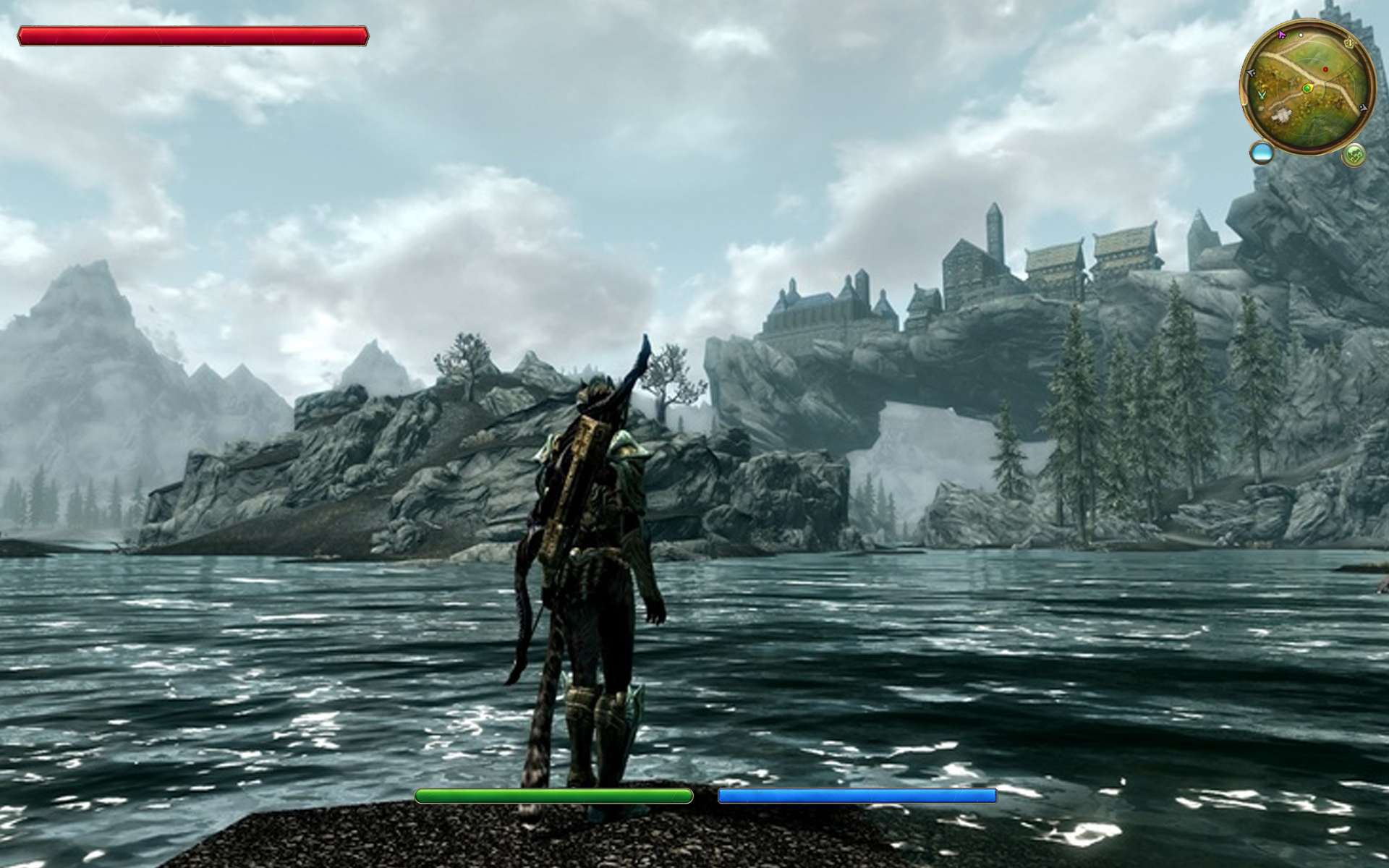
Creating these mockups taught me a lot about UX design in RPGs—particularly about balancing functionality and style. It also helped clarify my own vision for what an engaging RPG system should feel like, laying a solid foundation for future projects. Another part of the project involved creating a detailed cost-analysis balance sheet specifically for the game's weapons. In the design of this game, balancing weapon costs was essential to making the RPG feel fair and believable. I started by listing every weapon I had planned—swords, bows, staves, and anything else the player could find or buy—and then assigned each one a preliminary value based on its damage per second, range, and cooldown. From there, I built a spreadsheet to carefully track and adjust these values. This allowed me to see exactly how each weapon stacked up against the others and whether the pricing felt appropriate for the advantages each weapon provided. The toughest part of this process was figuring out how to balance powerful, late-game weapons without making early items feel useless. After several rounds of tweaking numbers, costs, and stats, with input from my professor, the weapons finally reached a balance that felt satisfying. It also gave me a deeper appreciation for the careful planning that goes into designing believable RPG economies.